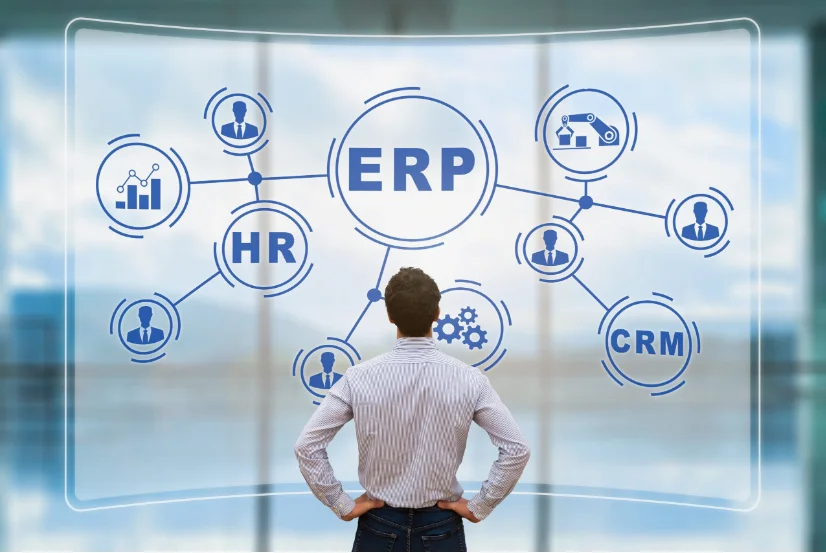
Hey there! Are you a midsize company looking to unlock growth and improve efficiency in your operations? One powerful solution that can benefit your business is Enterprise Resource Planning (ERP) software. By streamlining processes, centralizing data, and providing real-time insights, ERP systems can help midsize companies scale and compete in today’s fast-paced business environment. Let’s explore how ERP can drive growth for your company.
Benefits of ERP for midsize companies
Enterprise Resource Planning (ERP) systems offer a wide range of benefits for midsize companies that can help streamline operations, improve efficiency, and drive growth. One of the key advantages of implementing an ERP system is the ability to centralize and integrate all business processes into one unified platform. This means that departments such as finance, inventory, human resources, and sales can all access the same information in real-time, leading to better communication and collaboration across the organization.
With an ERP system, midsize companies can also automate repetitive tasks and workflows, reducing the risk of human error and saving time and resources. This automation can lead to increased productivity and efficiency, allowing employees to focus on more strategic tasks that can drive business growth. Additionally, ERP systems provide real-time data and analytics that can help midsize companies make informed decisions and quickly respond to changing market conditions.
Another benefit of ERP for midsize companies is the ability to improve customer service and satisfaction. By having a centralized system that tracks customer interactions, orders, and preferences, companies can provide a more personalized and efficient customer experience. This can lead to increased customer loyalty and repeat business, ultimately driving revenue and growth.
ERP systems also offer greater visibility and control over finances, inventory, and operations. Midsize companies can track expenses, revenues, and cash flow in real-time, allowing for better financial planning and budgeting. Additionally, the inventory management capabilities of ERP systems can help companies optimize stock levels, reduce carrying costs, and prevent stockouts or overstock situations.
Lastly, ERP systems can help midsize companies stay compliant with regulations and industry standards. By automating processes and generating accurate reports, companies can ensure they are meeting legal requirements and avoiding costly fines or penalties. This can provide peace of mind and reduce the risk of legal issues that could harm the company’s reputation.
In conclusion, ERP systems offer numerous benefits for midsize companies, including improved efficiency, better communication, increased productivity, and enhanced decision-making capabilities. By investing in an ERP system, midsize companies can streamline operations, drive growth, and stay competitive in today’s fast-paced business world.
Implementing ERP in midsize companies
Implementing an Enterprise Resource Planning (ERP) system in a midsize company can be a daunting task, but with careful planning and execution, it can lead to significant improvements in business processes and overall efficiency. There are several key steps that midsize companies should consider when implementing an ERP system:
1. Assessing Needs and Objectives: The first step in implementing an ERP system is to assess the specific needs and objectives of the company. This includes identifying pain points in current processes, determining the key areas where improvements are needed, and setting clear goals for what the ERP system should achieve. By understanding the company’s unique requirements, the ERP implementation can be tailored to address these specific challenges.
2. Selecting the Right ERP Solution: Choosing the right ERP solution is crucial for the success of the implementation. Midsize companies should consider factors such as scalability, flexibility, industry-specific functionality, and ease of integration when selecting an ERP system. It’s important to thoroughly evaluate different ERP vendors and solutions to find the one that best fits the company’s needs and budget.
3. Engaging Stakeholders: Involving key stakeholders in the ERP implementation process is essential for ensuring buy-in and successful adoption of the new system. This includes not only top management and IT personnel but also end-users who will be directly impacted by the ERP system. Engaging stakeholders early on can help to identify potential roadblocks and ensure that the implementation meets the needs of all users.
4. Planning and Training: Proper planning and training are crucial for a successful ERP implementation. Companies should create a detailed project plan that outlines key milestones, timelines, and responsibilities. In addition, providing comprehensive training for end-users on how to use the new system effectively is essential for maximizing the benefits of the ERP solution. Investing in training upfront can help to minimize disruptions and ensure a smooth transition to the new system.
5. Testing and Evaluation: Before fully implementing the ERP system, midsize companies should conduct thorough testing to identify any potential issues or areas for improvement. This includes testing the system’s functionality, integration with existing software, and overall usability. By conducting rigorous testing and evaluation, companies can address any issues early on and ensure a successful ERP implementation.
6. Continuous Improvement: Implementing an ERP system is not a one-time event but a continuous process of improvement. Midsize companies should regularly evaluate the performance of the ERP system, gather feedback from users, and make adjustments as needed to optimize the system’s performance. By continuously improving the ERP system, companies can drive ongoing efficiencies and stay competitive in today’s fast-paced business environment.
Selecting the right ERP system for midsize companies
Choosing the right ERP system for your midsize company can be a daunting task, as there are so many options available in the market. However, with careful consideration of your company’s specific needs and goals, you can make an informed decision that will benefit your business in the long run.
When selecting an ERP system for your midsize company, it is important to first define your specific requirements. This includes identifying the key areas of your business that need improvement, such as inventory management, financial reporting, or customer relationship management.
Additionally, consider the size and complexity of your company when choosing an ERP system. Some systems are better suited for smaller businesses with simpler operations, while others are designed to handle the complexities of larger enterprises. Make sure to choose a system that is the right fit for your company’s size and needs.
It is also important to consider the scalability of the ERP system you choose. As your midsize company grows and evolves, you want to make sure that your ERP system can grow with you. Look for a system that offers the flexibility to add new features and modules as needed, without having to completely overhaul your entire system.
Another key factor to consider when selecting an ERP system for your midsize company is the level of customization and integration it offers. Every business is unique, so you want a system that can be tailored to meet your specific requirements. Additionally, you want a system that can easily integrate with your existing software and systems, to ensure a smooth transition and minimal disruption to your business operations.
When evaluating ERP systems for your midsize company, it is also important to consider the total cost of ownership. This includes not only the upfront costs of purchasing and implementing the system, but also ongoing maintenance and support costs. Make sure to factor in any training expenses, as well as the cost of upgrades and updates over time.
Finally, it is crucial to consider the vendor’s reputation and track record when selecting an ERP system for your midsize company. Make sure to research the vendor’s credentials, read customer reviews, and ask for references from other companies who have implemented the system. You want to choose a vendor that is reliable, responsive, and committed to supporting your business for the long term.
By carefully considering your company’s specific needs, size, scalability, customization and integration options, total cost of ownership, and vendor reputation, you can select the right ERP system for your midsize company that will help streamline your operations, improve efficiency, and drive growth.
Challenges of using ERP in midsize companies
Implementing an Enterprise Resource Planning (ERP) system can be a daunting task for any company, but midsize companies face a unique set of challenges when it comes to adopting and utilizing these complex software solutions. From budget constraints to limited IT resources, midsize companies often struggle to fully leverage the benefits of ERP systems. Let’s take a closer look at some of the specific challenges that midsize companies face when implementing an ERP system.
1. Limited Budget: One of the biggest challenges that midsize companies face when it comes to ERP implementation is budget constraints. ERP systems can be expensive to purchase and implement, and midsize companies may not have the financial resources to invest in a robust ERP solution. This can result in companies opting for cheaper, less comprehensive ERP systems that may not fully meet their needs.
2. Lack of IT Resources: Another common challenge for midsize companies is a lack of internal IT resources to support the implementation and maintenance of an ERP system. Many midsize companies have small IT departments or even rely on external consultants for their IT needs. This can make it difficult to effectively implement and manage an ERP system, leading to technical issues and delays in realizing the benefits of the system.
3. Resistance to Change: Implementing an ERP system often requires significant changes to existing processes and procedures within a company. This can be met with resistance from employees who are comfortable with the status quo and reluctant to embrace new ways of working. Midsize companies may struggle to get buy-in from employees for the changes required to successfully implement an ERP system.
4. Customization Challenges: Midsize companies may have unique business processes and requirements that do not fit easily into off-the-shelf ERP solutions. This can create challenges when trying to customize the ERP system to meet the specific needs of the company. Customization can be time-consuming and costly, and may require additional resources that midsize companies may not have readily available.
In conclusion, midsize companies face a unique set of challenges when it comes to implementing and utilizing ERP systems. From budget constraints to limited IT resources and resistance to change, these challenges can make it difficult for midsize companies to fully leverage the benefits of ERP solutions. However, with careful planning, effective communication, and strategic decision-making, midsize companies can overcome these challenges and successfully implement an ERP system that meets their needs and drives business growth.
Case studies of successful ERP implementation in midsize companies
Implementing an ERP system can be a game-changer for midsize companies, helping them streamline processes, improve efficiency, and make better business decisions. Here are five case studies of successful ERP implementation in midsize companies:
1. ABC Manufacturing: ABC Manufacturing, a midsize company in the manufacturing industry, implemented an ERP system to help manage their inventory, production schedule, and customer orders. With the new ERP system in place, ABC Manufacturing was able to reduce inventory costs, improve production efficiency, and increase on-time delivery rates to customers.
2. XYZ Retail: XYZ Retail, a midsize company in the retail industry, implemented an ERP system to help manage their sales, inventory, and customer data. The new ERP system allowed XYZ Retail to track sales trends, manage inventory levels more effectively, and personalize marketing campaigns based on customer data. As a result, XYZ Retail saw an increase in sales and customer satisfaction.
3. PQR Services: PQR Services, a midsize company in the service industry, implemented an ERP system to help streamline their project management, resource allocation, and billing processes. By centralizing their project data and automating billing procedures, PQR Services was able to improve project profitability, reduce billing errors, and increase client satisfaction.
4. LMN Distribution: LMN Distribution, a midsize company in the distribution industry, implemented an ERP system to help manage their supply chain, logistics, and order fulfillment processes. The new ERP system provided LMN Distribution with real-time visibility into inventory levels, improved order accuracy, and streamlined warehouse operations. As a result, LMN Distribution was able to reduce shipping costs and accelerate order processing times.
5. DEF Technology: DEF Technology, a midsize company in the technology industry, implemented an ERP system to help integrate their sales, marketing, and customer support processes. The new ERP system allowed DEF Technology to track customer interactions across different departments, identify cross-selling opportunities, and improve customer retention rates. By streamlining their internal processes and gaining a 360-degree view of their customers, DEF Technology was able to increase sales revenue and customer satisfaction.
These case studies demonstrate the benefits of implementing an ERP system in midsize companies, from improving operational efficiency to increasing customer satisfaction. By choosing the right ERP solution and successfully implementing it, midsize companies can position themselves for growth and success in their respective industries.
Originally posted 2024-02-01 05:30:17.